What It Actually Costs to Put a Game on Three Stores
Before I started making games,
the scariest part wasn’t coding. It was money.
Shipping a game felt like something only big companies do,
and rumors said store registration costs a fortune.
So now that Call the Cat is actually live
on Google Play, the App Store, and Steam,
here is the honest, receipt-based breakdown.

The answer: the three store entrance fees
add up to exactly $224 USD.
Google $25, Apple $99 a year, Steam $100.
And the engine license costs extra on top of that.
I paid for a GameMaker license separately.
What each store charged
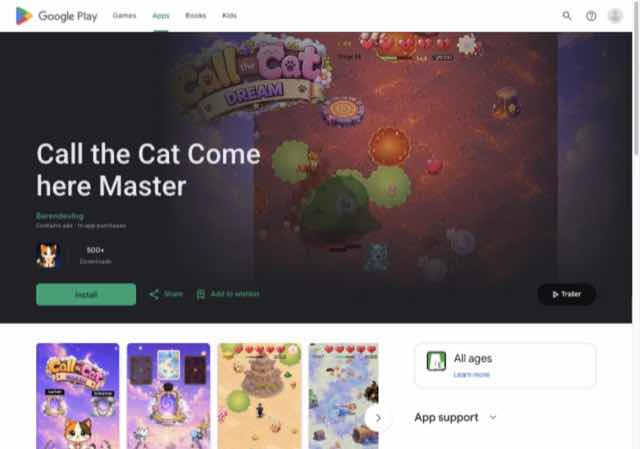
Google Play for Android charged $25,
and it is one payment forever.
The developer account is yours for life.
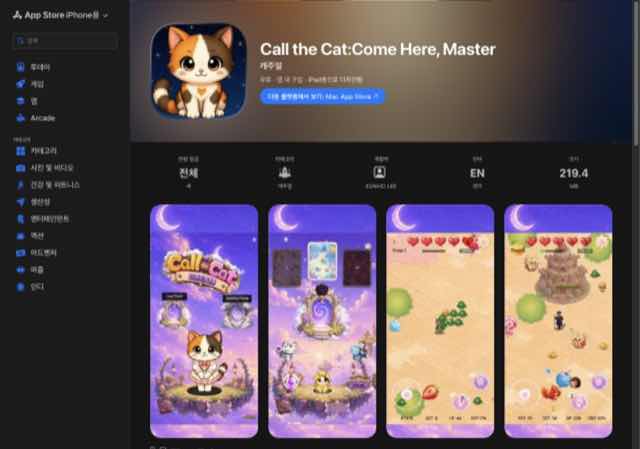
The App Store for iOS charged $99 per year.
It works like rent.
Even a single app keeps costing you every year,
and if you stop renewing, your app comes down.
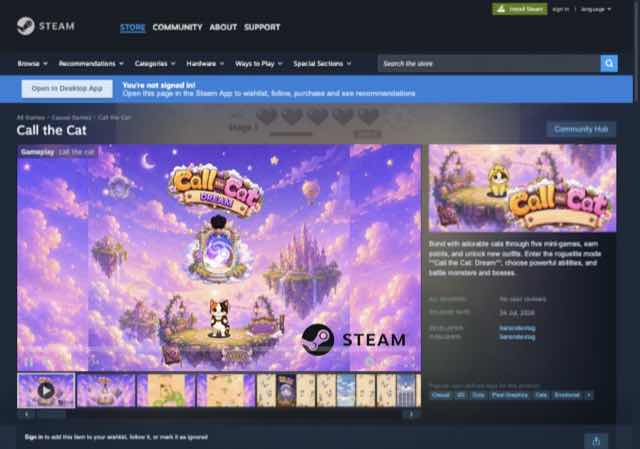
Steam for PC charged $100 per game,
and it is recoupable.
Once the game earns $1,000,
Valve pays the fee back.
It is effectively a deposit.
The engine was a separate bill
That $224 is only the entrance fees.
The engine costs extra.
I used GameMaker,
and commercial release requires a license.
GameMaker’s pricing structure
has changed several times over the years,
so the current price list
may not match what I paid.
My GameMaker license
came to a little over ₩100,000 KRW.
So all in — three stores plus the engine —
the door fee to shipping
was somewhere around ₩400,000 KRW.
The reviews were completely different animals
All three stores review submissions,
and their standards felt genuinely different.
Google put the developer account itself
under review first,
but the app review was the fastest of the three.
Apple sent something back,
and fixing it and resubmitting
taught me the most of the whole process.
Steam splits page review and build review
into separate steps,
which is confusing until you write down
what is due, where, and by when.
Two things nobody told me about money
First, revenue share.
Every store takes a cut of sales,
roughly the standard rate,
with different terms for smaller developers on some programs.
Second, tax paperwork.
Even as an individual,
you must submit tax documents to each store.
If you do this late,
your payouts get held up even when sales come in.
What I’ll do differently next time
For the sequel I am keeping the fee structure in mind,
but this time I am working backwards from review timelines
in the release schedule.
I learned that lesson the hard way during the beta.
If you are on the fence about shipping,
the entrance fee is smaller than you think.
The real cost is the year you spend building the game.
Solo dev of Call the Cat.
Out now on Google Play
and Steam.