I Knew Nothing About Engines, So I Picked the Smallest One
The question I stalled on the longest before starting
wasn’t what game to make.
It was which engine to use.
Unity versus Unreal versus Godot comparison posts are everywhere,
and they are all written by people
who already know what they are doing.
I had never opened a game engine in my life,
which meant I couldn’t compare anything.
So I did the only thing that made sense.
I stopped comparing,
and picked the smallest one. GameMaker.
One selection criterion

The smallest tool.
Least to learn,
something moving on screen within minutes of opening it.
For a complete beginner,
engine comparison charts are a luxury.
The real failure mode is never finishing.
Unity is a powerhouse,
but it buries you in concepts before your first sprite.
GameMaker is 2D focused,
and it gets a character on screen fast.
What worked over 178 days
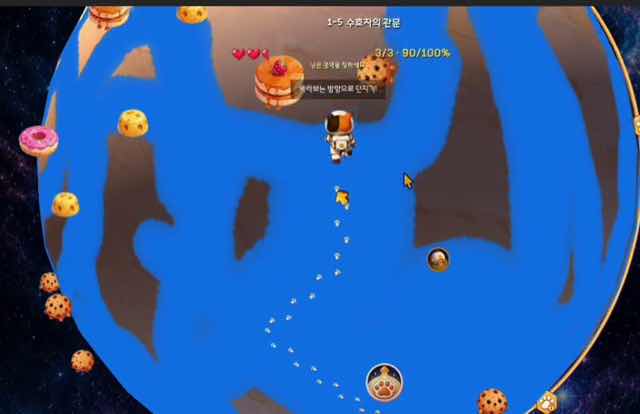
For 2D games,
the distance from idea to result is short.
Rooms, sprites, and movement
felt intuitive to assemble.
The scripting language, GML, is gentle.
The low syntax burden
mattered more than I can express.
Being lightweight turned out to be a feature for a beginner.
Fewer scary menus
meant I opened it every single day.
What didn’t work
The ecosystem is smaller than Unity’s,
so whenever I got stuck,
finding references took longer.
3D and heavy production values
are effectively off the table.
That last point is exactly why the sequel
is being rebuilt in Unity,
which is a separate post.
How I would tell you to choose
If your game is 2D,
and your biggest risk is quitting
before something exists on screen,
a small engine is a legitimate choice, not a compromise.
If you know from day one that you are going 3D,
start with Unity.
My goal was to finish something small,
all the way to release.
GameMaker served that goal completely.
The engine didn’t fail me.
It had a lifespan for my goal,
and knowing that now,
I would make the same call again.

Solo dev of Call the Cat, shipped after 178 days
on Google Play
and Steam.